
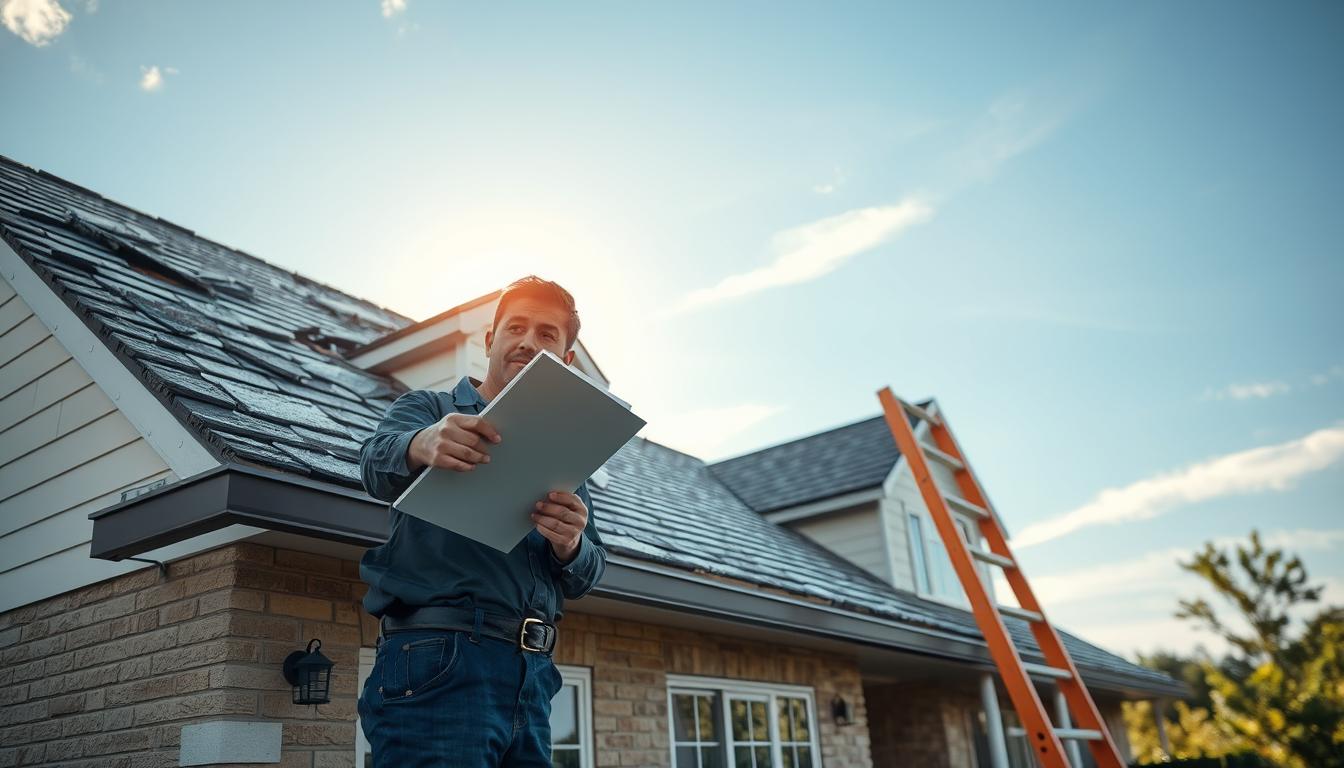
What’s the most expensive thing to fix on a house? It really depends. In South Africa, big problems like foundation failure or a new roof can cost a lot. These issues can easily reach into the tens of thousands of rand.
Prices change based on the job’s size, materials, and who does it. Fixing a foundation can start low but go up fast for complex jobs. Replacing a roof depends on the material. HVAC and rewiring are also pricey. Big plumbing, termite, and mould jobs can surprise you with their costs if damage spreads.
This article looks at the most costly home repairs. It explains what makes them expensive and gives you an idea of the costs. It also talks about how to prevent these problems and how to choose what to fix when money is tight.

Key Takeaways
- Major structural and systems failures often top the list for expensive home repairs.
- Costs depend on home size, materials, accessibility and how long damage has been left.
- Foundation, roof and termite repairs can each reach very high costs in severe cases.
- Regular inspections and basic maintenance reduce the risk of large, unexpected bills.
- Insurance, local South African labour rates and timely action shape what homeowners can expect.
Overview of costly home repairs and why they matter

Your home’s core systems are key to safety and long-term costs. Repairs to foundations, roofs, or electrical systems are often the most expensive. This is because they require specialist labour, permits, and heavy materials.
Putting off urgent repairs can make problems worse. It can also lower your home’s value. Focus on fixing safety-critical issues first, like foundation stabilisation, major roof works, and rewiring. This helps avoid higher costs and keeps your home appealing to buyers.
Regular maintenance stops small problems from becoming big ones. Simple tasks like cleaning gutters, servicing HVAC units, checking drainage, and treating termite activity can prevent costly repairs. These tasks help keep your home in good shape.
Repair costs vary by region. In South Africa, you need to consider local labour rates, import costs for roofing sheets and HVAC units, and whether your property uses a septic tank or municipal sewer. These factors affect prices across the country.
Plan your repairs with smart financing. Options include home equity loans, consumer credit, or personal savings. It’s wise to save 1–3% of your home’s value each year for upkeep and improvements. This helps avoid unexpected expenses.
Insurance often covers sudden storm damage, but wear-and-tear or neglected issues are usually not included. Always check your policy for limits on foundations, mould, and pest damage. This way, you won’t be surprised when filing a claim.
Foundation repair: one of the most expensive and structurally critical repairs

Your home’s foundation is the base for everything above ground. Small foundation damage can start as hairline cracks, sticking doors and uneven floors. If you spot stair-step cracks in masonry or hear settling noises, arrange a foundation inspection without delay.
Causes are often straightforward. Poor drainage and chronic moisture near footings wear materials away. Plumbing leaks and unstable or clay-rich soils cause movement. Natural events and substandard original construction add to foundation problems.
Causes of foundation damage
Poor drainage and blocked gutters let water pool beside the house. That increases soil swelling under slabs and around footings.
Plumbing leaks under floors or inside walls create wet patches that weaken soil and timbers. Seasonal shrink-swell cycles on clay soils produce repeated stress.
Lastly, inadequate compaction, shallow footings or incorrect reinforcement lead to long-term movement. These are common triggers of serious foundation damage.
Typical cost drivers
The scale of repair depends on several factors. Extent and location of damage affect work required. The type of foundation—slab, crawlspace or pier-and-beam—changes access needs and techniques.
Underpinning or piling may be needed for deep stabilisation. That raises material and labour bills. Structural repairs inside the house, access for heavy equipment and local contractor rates all influence foundation repair costs.
Estimated cost ranges and South Africa considerations
Minor fixes such as drain correction and small crack repair usually sit at the lower end of repair estimates. In international sources, basic jobs are quoted around $2,200–$8,100.
Major jobs that require foundation lifting or full underpinning move into much higher ranges. Some projects run from $20,000–$30,000, while severe cases can exceed $50,000.
In South Africa, expect variation by region and by specialist availability. Clay soils and seasonal swelling in parts of the country worsen movement. Remote sites and the need for soil testing or piling increase foundation repair South Africa prices.
Insurance rarely covers damage caused by poor maintenance. Check policy terms before work begins.
Prevention and early inspection
Simple measures reduce risk. Keep gutters and downpipes clear and extend downspouts several metres from the foundation. Grade soil away from the house so water runs off instead of pooling.
Repair leaking pipes quickly and monitor indoor signs like sticking doors or uneven floors. Arrange a professional foundation inspection when you spot early warning signs to limit repair size and costs.
Early action on drainage, minor crack sealing and localised underpinning can prevent larger foundation problems and curb rising foundation repair costs in the long term.
Roof replacement and major roof repairs
Your roof is vital for protecting your home. Major repairs or replacements can be very expensive. This is because they require skilled labour, scaffolding, and careful waste disposal.
Roofs with complex shapes or steep pitches cost more. This is due to the extra work needed.
Why roof work is so costly
Roofs cover the entire building. Problems with rafters or decking need structural repairs, not just cosmetic fixes. You need skilled roofers for safe and compliant work.
Access and safety measures add to the cost. Scaffolding, harnesses, and weather protection slow the job. Using premium materials like slate or metal sheeting also increases the cost.
Cost factors and typical ranges
Several elements affect the price. These include material choice, roof complexity, labour rates, and if structural repairs are needed. A full roof replacement can cost between $5,000 and $45,000 globally.
In South Africa, the cost depends on materials like corrugated sheeting or concrete tiles. Seasonal demand and local transport charges can also increase prices. A small repair might cost a few hundred rands, while a full replacement can cost tens of thousands.
Signs you need repair or replacement
Look for obvious warning signs. Missing, cracked, or curling tiles and shingles indicate ageing. Granules in the gutter and dark stains on ceilings or walls signal moisture and leaks.
A sagging roofline or rot on fascia and soffits are also signs. Recurrent leaks that return after patching mean the roof needs replacing.
How regular maintenance reduces expensive repair risk
Good roof maintenance prevents small faults from becoming major jobs. Clean the gutter often to avoid water backing up. Trim overhanging branches that abrade tiles or drop debris.
Inspect after storms and replace damaged tiles or corrugated sheets promptly. Arrange professional roof inspections every few years. This helps spot rot, failed flashings, and worn underlay before a full replacement is needed.
HVAC system replacement and major heating/cooling repairs
Your heating and cooling equipment can be very expensive to fix or replace. Replacing a full hvac system is more than just swapping units. It also includes ductwork, electrical upgrades, and handling refrigerant, which increases labour and parts costs. In South Africa, you must also think about import costs and local installation standards when budgeting for hvac South Africa projects.
What makes replacement costly
Complexity is a big factor in cost. Larger homes need bigger systems and custom ductwork. High-cost parts like compressors, condensing units, or gas boilers also increase prices. New energy-efficient models may cost more upfront but save money in the long run. Regulations on refrigerants and certified handling add to the total cost of an hvac system replacement.
Typical repair and replacement costs
Repair costs can vary a lot. Small fixes start at $100, while replacing major components can cost thousands. Replacing a full system usually costs between $5,000 and $15,000. More complex installs, custom ductwork, or large commercial units can cost over $22,000. In South Africa, the cost of hvac replacement will depend on local labour, the need to import specific models, and any extra electrical or structural work needed.
Maintenance tips to extend lifespan
Regular hvac maintenance can prevent sudden failures and save money in the long run. Have a certified technician service your system twice a year. Check refrigerant levels and electrical connections. Clean or replace filters monthly or as the manufacturer suggests. Keep outdoor units clear of leaves, dust, and plants to ensure good airflow. If you notice strange noises or a spike in energy bills, address it quickly to avoid major repairs.
Electrical rewiring and major electrical system upgrades
If your home has old wiring, it’s time for a full rewire. Signs like frequent breaker trips and burning smells mean it’s time for a check. An electrical inspection can find safety risks before they cause harm.
Risks and reasons for whole-house rewires
Older homes often have outdated wiring. This can lead to overloads and faults. Upgrading your electrical system makes your home safer and supports modern appliances.
Cost influences and typical ranges
The cost of rewiring depends on your home’s size and how easy it is to access the wiring. Smaller homes cost less than bigger ones. Labour costs, cable prices, and panel upgrades also affect the price. Small repairs are cheaper than a full rewire.
Preventive inspection and when to act
Get an electrical inspection every few years for older homes. If you notice flickering lights or smell burning, act fast. Focus on safety upgrades to avoid fires and damage to appliances.
| Work item | Typical range (ZAR) | Key factors |
|---|---|---|
| Partial rewire (rooms or circuits) | R8,000 – R30,000 | Number of circuits, ease of access, labour rates |
| Full home rewire | R80,000 – R250,000 | House size, wall finishes, rewiring complexity, compliance work |
| Electrical panel upgrade | R6,000 – R35,000 | Panel capacity, new breaker installation, distribution board replacement |
| Minor electrical repairs | R350 – R4,500 | Fault diagnosis, socket replacements, switchgear repair |
| Professional electrical inspection | R600 – R2,500 | Scope of inspection, test certification, report detail |
Plumbing failures, sewer line and major pipe replacements
Plumbing problems can get worse fast and cost a lot. In South Africa, pipes age, water is hard, and soil types vary. Quick action can save you money and prevent water damage.
Common expensive plumbing problems
Burst pipes are a big problem. They can flood rooms and need quick pipe replacement.
Major leaks can soak floors or ceilings. This leads to drying and mould removal, along with plumbing fixes.
Sewer line collapse or blockages need repair or replacement. A failing septic tank also means costly work like drain-field renewal or tank replacement.
Cost factors and examples
Repair costs depend on the job. Minor repairs cost $125 to $850. But, major replacements or leak fixes can cost $1,400 to $5,000+.
Replacing a sewer line costs $1,400 to $5,300. Complex jobs or long lines can be more expensive. Drain-field or septic work can cost $3,000 to $15,000, depending on the job.
Water heater replacement costs $1,600 to $7,000. This depends on the type of heater. Emergency calls and water damage restoration add to the bill.
Early warning signs and preventive measures
Look out for high water bills, low water pressure, and drips. Water stains on ceilings or walls mean hidden leaks.
Musty smells, gurgling drains, or sewage odours mean sewer line issues. Soggy ground near drains suggests septic tank failure.
Simple steps can help. Test your main water shut-off and check exposed pipes often. Use a pressure regulator and avoid flushing the wrong things.
Get septic pumping done every three to five years. Also, get professional checks if you see signs of leaks. Early action on small leaks can avoid big water damage and expensive repairs later.
Damage from pests and moisture: termite damage and mould remediation
Pests and damp can cause hidden costs that quickly add up. It’s important to tackle these issues in South African homes. Early action can save money and keep you healthy.
Termite impact and cost
Termites can damage rafters, joists, and floorboards. Severe damage might need major repairs, costing thousands of rand. Basic treatments start at a few hundred rand, but full repairs can be much more.
Get a termite inspection every year if you live in a high-risk area. Licensed pest control South Africa services offer treatments and monitoring to prevent reinfestation.
Mould remediation and health risks
Mould grows where it’s damp. You might smell a musty smell or have allergic symptoms. The cost to remove mould depends on the size of the job.
Health risks include worse asthma, breathing problems, and allergies. Quick mould removal helps keep you and your family safe.
Prevention strategies
Stop mould by fixing leaks quickly, airing out bathrooms and kitchens, and using dehumidifiers. Check basements and crawlspaces often and fix drainage issues to keep water away from your foundation.
To avoid termites, remove wood from the ground, keep mulch and wood debris away from your home, and get a termite check every year. Use trusted pest control South Africa services for advice and treatment.
expensive thing to repair on a house
When you face big home repairs, you need clear advice. Some repairs are costly but necessary, while others can wait. This guide helps you figure out which repair might be the most expensive and how to decide which ones to do first in South Africa.
Which single item is typically the most expensive overall
Foundation work is often the priciest to fix in a house. It includes underpinning and piling, which are complex tasks. These repairs might involve lifting, stabilising, and fixing cracks all over the building.
The cost can vary a lot. For serious problems, you might spend as much as replacing the whole thing. The size of the area needing repair and the need for expert contractors make these jobs very expensive.
How “most expensive” depends on circumstances
There’s no one-size-fits-all answer for every house. A new roof with high-end tiles can be the most expensive. Or, a big HVAC swap or long-term damp and mould issues might cost more than fixing the foundation.
Local labour costs and material availability in South Africa affect the final price. The damage’s extent, how easy it is to get to, and the house size all play a part in which repair is the most expensive.
Decision factors for prioritising repairs
First, fix things that pose an immediate risk. If electrical issues could start a fire, fix them first. Structural problems that could harm people should be fixed before cosmetic work.
Check your insurance and what might happen if you delay repairs. Use inspections to see how bad the damage is and how long temporary fixes will last. Get quotes from different people, ask for detailed plans, and compare how long each option will last.
When deciding, think about the cost versus the benefits. Some people do repairs in stages to spread out the cost. Others might choose to replace and upgrade now to save money in the long run. Always know the size of the area needing repair and the likely costs before agreeing to big work.
Conclusion
Many repairs can be costly, but foundation work is often the most expensive. Other big repairs like roof replacements, HVAC systems, and termite or mould issues can also be pricey. It’s important to know these risks to protect your home.
Prevention and budgeting are key. Regular checks and quick fixes can help avoid big problems. Save one to three per cent of your home’s value each year for repairs. Also, make sure your insurance covers what you need.
If you think there’s a serious issue, get experts to check it out in South Africa. Get quotes and look into financing options. Focus on repairs that keep your home safe and valuable. This way, you can avoid big bills and keep your home in good shape.
FAQ
What is the single most expensive thing to repair on a house?
Foundation repair is often the most costly. It needs specialist work, heavy machinery, and soil tests. Other big repairs like roof replacements, HVAC systems, termite damage, or mould can also be very expensive.
Why do costly home repairs matter for homeowners in South Africa?
Big repairs affect safety, how well you can live in your home, and its value. In South Africa, costs vary due to local labour, material imports, soil types, and septic tanks. Knowing the costs helps with budgeting and insurance choices.
What causes foundation damage?
Poor drainage, leaks, unstable soils, bad construction, and natural events cause damage. These issues lead to cracks, sticking doors, and uneven floors.
What drives foundation repair costs?
Costs depend on damage extent, foundation type, and equipment access. Underpinning, internal repairs, and local rates also play a part. Remote sites and soil tests add to the cost.
What are typical foundation repair cost ranges and South African considerations?
Costs vary widely, from a few thousand to tens of thousands. In South Africa, contractor rates, specialised work, and soil behaviour affect prices. Insurance often doesn’t cover maintenance-related damage.
How can I prevent foundation problems or spot them early?
Keep gutters clear, extend downspouts, and correct grading. Fix leaks quickly and get professional checks for cracks or uneven floors. Early action can prevent bigger problems.
Why is roof work often so costly?
Roofs protect the whole house, so repairs need scaffolding, waste removal, and skilled labour. Complex shapes, steep pitches, and premium materials increase costs. Delays can lead to more damage and higher bills.
What are typical roof repair and replacement costs?
Costs vary widely. Replacing a roof can range from a few thousand to tens of thousands. In South Africa, material choice, roof complexity, and demand shape prices.
What signs indicate a roof needs repair or replacement?
Look for missing or cracked tiles, debris in gutters, dark or wet ceilings, sagging rooflines, and leaks. Repeated issues after fixes mean it’s time for a new roof.
How does regular roof maintenance reduce expensive repairs?
Regular cleaning, trimming, inspections, and prompt tile replacement catch small problems. This saves money and extends the roof’s life.
What makes HVAC replacement costly?
HVAC systems involve complex parts, large units, and ductwork. Upgrades and bespoke systems add to the cost. For big homes, unit size and ductwork modifications increase the bill.
What are typical HVAC repair and replacement costs?
Minor repairs are cheap, but full replacements cost several thousand. In South Africa, costs reflect unit imports, installation complexity, and upgrades needed.
How can I extend the lifespan of my HVAC system?
Service it twice yearly, clean or replace filters, and keep outdoor units clear. Maintain refrigerant levels and act on unusual noises or energy spikes. Regular servicing prevents mid-season failures.
Why might I need a full electrical rewire?
Outdated wiring, aluminium wiring, frequent breaker trips, overheating sockets, and insufficient circuits for modern appliances are reasons. Rewires are safety-driven and prevent fires and appliance damage.
What influences the cost of an electrical rewire?
House size, circuit and outlet number, wiring access, need for a new consumer unit, local rates, and compliance affect costs. Rewires are disruptive, requiring wall openings and repairs.
When should I schedule an electrical inspection or rewire?
Inspect every few years for older homes and act on flickering lights, frequent trips, warm or discoloured outlets, or burning smells. Safety upgrades come first.
What are common expensive plumbing and sewer problems?
Burst pipes, major leaks, sewer line collapse or blockages, septic tank failure, and drain-field replacement are costly. Water heater failures, like switching to tankless, can also be expensive.
How do plumbing costs vary and what are examples?
Minor repairs are cheap, but major replacements, sewer work, or septic field replacement cost thousands. Water heater replacement costs vary by type. Local rates and access affect prices.
What early warning signs suggest plumbing or sewer issues?
Look for higher water bills, reduced pressure, persistent drips, musty odours, stains, gurgling drains, or sewage smells. Quick action prevents water damage and mould.
How can I prevent expensive plumbing failures?
Know your main shut-off, inspect exposed pipes, control water pressure, avoid flushing certain items, and schedule septic pumping. Get prompt professional checks for leaks or odd smells. Timely action prevents bigger problems.
How severe can termite damage be and what does it cost?
Termites can damage structural timbers, rafters, and flooring, leading to major repairs. Initial extermination and treatment cost a few hundred to several thousand. Structural repairs after severe infestation can cost tens of thousands.
What are the costs and health risks of mould remediation?
Costs range from a few hundred to over £20,000 for widespread contamination. Mould poses health risks like asthma aggravation and respiratory symptoms. Fix moisture sources promptly.
How do I prevent termite and mould problems?
For termites, get annual inspections, remove wood-to-soil contact, and keep debris away. For mould, fix leaks, ensure ventilation, keep humidity low, and inspect basements and crawlspaces regularly.
Which single item is typically the most expensive overall?
Foundation repair is often the most costly due to underpinning, piling, and internal repairs. Severe foundation work can be the most expensive single repair.
How does the “most expensive” item depend on circumstances?
Home size, construction, local costs, accessibility, and damage duration affect costs. High-end roof replacements, full HVAC for large estates, or prolonged mould and termite damage can be as expensive as foundation repairs.
How should I prioritise repairs when multiple issues exist?
Focus on safety-critical and structural items first, like electrical hazards, unstable foundations, and major leaks. Consider immediate risk to occupants and property value. Get professional inspections and quotes to plan financing and timing.
How can I budget and finance large unexpected home repairs?
Build an emergency fund and save 1–3% of your home’s value annually for maintenance. For big jobs, consider home equity loans, consumer loans, or savings. Get multiple quotes, detailed scopes of work, and allow for contingencies.
What should I check in my insurance policy regarding major home repairs?
Confirm what your policy covers, like sudden damage or accidents. Check exclusions for wear-and-tear, gradual damage, poor maintenance, and some mould or foundation failures. Understand caps, deductibles, and claim limits for items like foundations and mould remediation.
What immediate steps should South African homeowners take if they suspect major damage?
Arrange professional inspections, get multiple quotes, discuss temporary measures, and explore financing options. Early action reduces the chance of repair costs escalating dramatically.


