
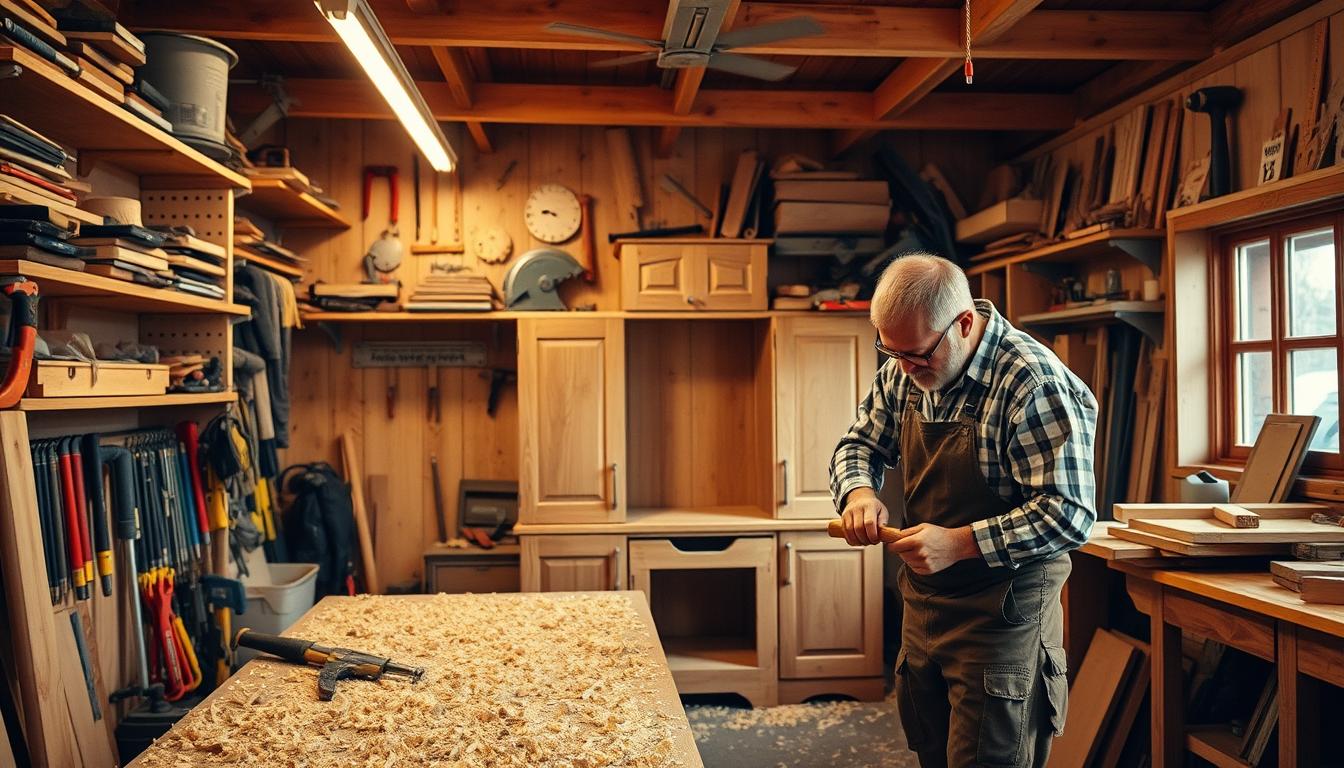
Yes, Cape Handyman Team does minor carpentry for homeowners in the Western Cape and South Africa. We can install shelves, repair cupboards, or build small furniture. Our work is on-site, non-structural, and straightforward.
We aim for practical fixes and neat finishes. Unlike major structural joinery, our focus is on the details. Before starting, we plan carefully, considering the intended use of the shelves or cupboards.
This ensures we advise on the right span, depth, and support points. This way, we avoid sagging and deliver durable solutions.
A handyman is different from a specialist carpenter or cabinet maker. Handymen are generalists, suited for tasks like installing shelving and fixing cabinets. They don’t need specialist licences for these jobs.
If a task requires formal carpentry skills or structural compliance, we recommend a specialist. We provide a clear referral for such cases.
Booking with us means you get a simple scope of work and an honest estimate. We also offer advice on materials and installation. This way, you know exactly what we will and won’t do. We also advise when it’s better to call in a specialist.
Key Takeaways
- Cape Handyman Team handles non-structural carpentry and cupboards across South Africa.
- We install shelves and small furniture with disciplined workshop practices on-site.
- We assess use and span to recommend the right materials and supports.
- Handyman work covers basic carpentry services; structural or specialist jobs get a referral.
- You receive a clear scope, recommendation if needed, and a cost estimate before work begins.
What minor carpentry jobs we handle: shelves, cupboards and small furniture

We offer a variety of minor carpentry services to keep your home neat and useful. Our team handles tasks that don’t need building permits. This includes small repairs and installations that make your life easier.
Typical minor carpentry services you can expect
We install and fix shelving for books, TVs, or collectibles. Our services include adjustable shelving and fixed shelves for extra support.
We also fix or install cupboards and cabinet doors. We replace hinges and hardware and repair small furniture. For cabinets, we fit adjustable hardware for flexible storage.
Our trim and finish carpentry work includes small moulding repairs and skirting adjustments. We add the final touches to enhance a room’s look. We fix minor damage and make adjustments safely.
Where Cape Handyman Team can work in your home
In kitchens, we fit cupboards, cabinet hardware, and built-in shelving. In bathrooms, we use materials that resist moisture for shelving and vanities.
Living rooms get built-in bookcases, floating shelves, and furniture repairs that match the room’s style. Garages, workshops, laundry, and utility rooms get heavy-duty shelving for safe storage.
We also work on outdoor structures where moisture is a concern. If a task requires a building permit, we’ll advise you to get a licensed carpenter or contractor.
Carpentry and cupboards
When thinking about cupboards and shelving, it’s key to know who does what. A handyman can handle many household tasks. But, a cabinet maker or licensed carpenter is needed for complex builds that require permits and special tools. Cape Handyman Team ensures your kitchen or bathroom work meets standards and looks great.

How we distinguish handyman carpentry from specialist carpentry
Handyman carpentry is for small jobs like fitting shelves and fixing cupboard doors. It also includes replacing hinges and making light adjustments to cabinets. These tasks are not structural and fit within our scope as a contractor for minor jobs.
Specialised carpentry, on the other hand, involves framing, roof work, and structural beams. It also includes custom cabinetry and finish carpentry that need formal training and certification. For bespoke or high-end custom cabinet projects, we refer you to a cabinet maker or a finish carpenter.
Why you can trust Cape Handyman Team for cupboards and shelving
We follow woodworking best practice to ensure your installation lasts. Our team uses organised tools, solid bench methods, and attention to finish. A skilled carpenter or contractor might be needed for full kitchen cabinetry. But for straightforward cabinet work, we provide careful and neat results.
- We assess material suitability for your kitchen and bathroom to avoid moisture issues.
- We use durable fasteners and secure fittings to studs for heavy loads.
- We advise when custom work or specialised carpentry is the safer option.
Local knowledge is important in South Africa. We understand timber choices, coastal moisture concerns, and supply options for plywood, MDF, and local veneers. This helps you choose practical cabinetry solutions that suit your home and budget.
Materials, tools and methods we use for durable shelves and cupboards
Choosing the right materials and setting up your workspace is key to durable shelves and cupboards. We focus on strength, moisture resistance, and appearance. This ensures they fit your room and budget well. Below, you’ll find the materials we use and how we work in our workshop and on-site.
Material choices and where they’re best used
For long shelves, we prefer 3/4″ Baltic birch with poplar edging. Baltic birch is stable and has low sag. The solid edging adds strength and looks neat.
For a traditional look, edged solid wood like oak or pine works well. Plywood and MDF are good for shorter spans or when you add edging or trim.
Avoid particleboard and oriented-strand board for long shelves. In kitchens and bathrooms, use moisture-resistant plywood or marine-grade panels. Sealed MDF with a veneer or water-resistant finish helps prevent swelling.
Workshop and on-site tools and organisation
We start with a solid workbench sized for the job. Wall storage, French cleats, and open shelving keep tools visible and easy to reach.
- Clamps: 48″ bar clamps for glue-ups and assembly.
- Routers with flush-trim bits to trim edging slightly proud and then flush it to the panel.
- Saws: table saw where space allows, bandsaw for smaller shops, plus jigsaws and mitre saws for on-site cuts.
- Spirt levels, drills, screwdrivers, pocket-hole jigs and multiple screw sizes including #12×2½” for heavy bracket attachments.
We pre-cut longer pieces in the workshop when possible. This reduces on-site complications and keeps the job tidy. Only bring the needed stock to your home to cut down on waste and handling time.
Adhesives and finishes are important. We use Titebond for many glue-ups and hide-glue where needed. For protection, we favour gel polyurethane as a durable topcoat. We choose low-VOC products for a greener option.
Organisation is key to quality. A well-planned workshop and methodical on-site tools layout speed up fitting and reduce mistakes. Use French cleats or Shaker peg rails to keep tools accessible and adapt storage as the project changes.
For those who care about sustainability, we suggest sustainably sourced timber and certified plywood. Low-VOC finishes and responsible suppliers help achieve an environmentally friendly outcome without sacrificing durability.
Installation, strength and long-term performance
Your choices at design stage affect how a shelf performs. Span and material are key, not paint or finish. For spans up to 48″, 3⁄4″ Baltic birch with solid edging works well.
For longer spans, laminate panels or more support points are needed. This prevents noticeable sag.
Fixed shelving benefits from dado joints for better load distribution. Cleats under shelves in plywood cabinets add support. Wall-mounted units need brackets fixed to studs, ensuring they can handle the load.
Design decisions that affect sag and durability
- Choose panel thickness and edging based on span and load.
- Plan fixed shelves in dadoes for better load distribution and long-term performance.
- Use cleats under shelves in shallow cabinets to reduce movement and increase durability.
- For adjustable shelving, select sturdy shelf pins or metal standards and use brass-sleeved pins where plywood edges require protection.
Practical tips we follow during installation
- Measure the items you will store and set depth and spacing to avoid overcrowding and uneven load.
- Pre-fit edging and rout flush before final fastening to ensure a clean finish and protect edges from moisture.
- When heavy loads are expected, use large screws into studs (for example #12×2½”) and fit multiple brackets beneath each shelf.
- Drill cord holes for AV shelves where needed and countersink fixings for neatness; use plugs or caps to finish visible holes.
- Arrange multiple support points to spread load, reduce sag risk and extend long-term performance.
After installation, simple maintenance keeps built-in units reliable. Check fixings periodically in high-use areas, reseal edges in moisture-prone rooms and inspect brackets and shelf pins for wear. Small checks now save you from paying for repairs later and help retain the original load rating of your shelving.
Costs, scheduling and when to call a specialist
Choosing between a handyman and a cabinet maker affects your budget and schedule. Simple repairs and small installations are cheaper and quicker. But, bigger remodels or custom jobs are more complex and expensive, so plan well.
Prices depend on the job’s size, materials, and finish. A simple shelf is much cheaper than a full cupboard. The choice of materials, like Baltic birch or oak, also affects the cost. Veneered plywood might add to the wait time.
The job’s location, the number of supports, and the type of fixings influence the time needed. If plumbing or electrical work is involved, more trades and time are required. Also, permits for structural changes can delay the project and increase the cost.
- Scope: simple shelf vs built-in cupboard
- Materials: oak, Baltic birch, MDF or plywood
- Finishes: edging, painting or varnish
- Site access and additional trades
- Permits and compliance
When Cape Handyman Team will recommend a carpenter or cabinet maker
For detailed joinery, bespoke finishes, or a registered contractor for a renovation, we suggest a specialist. Jobs like structural framing, beam repairs, or full kitchen cabinetry need a finish carpenter or cabinet maker with the right tools.
You’ll get a clear inspection and quote. Cape Handyman Team will advise if the job fits our service or if a specialist is needed. This helps you balance immediate costs with long-term benefits.
Small jobs usually finish in one visit if materials are ready. But, custom projects need more time for workshop work, templating, and visits. So, allow extra time for specialty materials and complex installations.
Conclusion
For carpentry and cupboards in South Africa, Cape Handyman Team is your go-to. They provide practical, well-made solutions for shelves, cupboards, and small furniture. You can count on their workshop discipline, smart material choices, and precise edging for a neat and lasting installation.
Think about how you’ll use each shelf and what it will hold. Choose finishes that can handle moisture for kitchens or bathrooms. An on-site assessment will help Cape Handyman Team give you a precise quote and schedule. They’ll also suggest custom built-in solutions that fit your space and lifestyle perfectly.
If your project needs expert carpentry, cabinet making, or meets structural standards, they’ll find the right person for the job. This ensures you get top-notch craftsmanship, safe installation, and durability that lasts. Contact them when you’re ready to enhance your storage and home’s look and function.
FAQ
Do you handle minor carpentry such as shelves or cupboards?
Yes, Cape Handyman Team does minor carpentry for homeowners in the Western Cape and South Africa. We handle jobs like installing and fixing shelves, fitting cupboard doors, and replacing hinges. We also assemble small furniture and repair trim and moulding.If a job needs structural framing or special permits, we suggest a licensed carpenter.
What minor carpentry jobs do you typically handle?
We install wall-mounted and in-cabinet shelves. We build adjustable shelving and fixed shelves using dadoes or cleats. We fit cupboard doors and hinges, and do small furniture assembly.We also repair moulding, architrave, and skirting. For media shelving, we drill AV cable holes and advise on spacing and depth.
Where in my home can Cape Handyman Team work?
We work in kitchens, bathrooms, living rooms, garages, and workshops. We also do laundry and utility rooms, and sheltered outdoor structures. For high-moisture areas, we use suitable materials to avoid damage.
How do you distinguish handyman carpentry from specialist carpentry?
Handyman carpentry includes repairs and installations that don’t need special licences. This includes shelving, door fixes, and small built-ins. Specialist carpentry involves framing, bespoke cabinetmaking, and complex joinery.When a job needs specialist skills, we recommend a qualified carpenter or cabinet maker.
Why can I trust Cape Handyman Team for cupboards and shelving?
We follow workshop discipline and keep our site tidy. We use small-shop methods for good finishes. We plan, use a solid workbench, and have organised tools.We choose materials based on use, use durable fasteners, and give a clear scope and estimate before starting.
What material choices do you recommend and where are they best used?
For long spans, 3⁄4″ Baltic birch with solid-wood edging works well. Edged plywood or solid wood suits moderate spans. Avoid particleboard and OSB for long spans.In kitchens and bathrooms, use moisture-resistant plywood or sealed MDF. We recommend sustainably sourced timber and low-VOC finishes.
What workshop and on-site tools and organisation do you use?
We use clamps, routers, spirit levels, drills, and screwdrivers. For heavy loads, we use large screws into studs. Tools are kept shallow and accessible for efficiency and neatness.
Which design decisions affect shelf sag and long-term durability?
Span length, material, edging, and thickness affect sag. 3⁄4″ Baltic birch with edging resists sag up to 42″. Beyond 48″, add supports or laminate panels.Using dadoes, cleats, or brackets spreads load and prevents movement. Edging the shelf improves stiffness and appearance.
What practical installation tips do you follow to ensure performance?
We measure items first for correct depth and spacing. We pre-fit and rout edging, use dadoes or cleats for fixed shelves, and fit multiple brackets to studs. For adjustable shelving, we install shelf pins or metal standards.We countersink fasteners, check bracket load ratings, and drill cable holes for AV installations.
What influences the price and time for minor carpentry tasks?
Cost and schedule depend on scope, material, edging, and finish. They also depend on support points, travel, and site access. Small jobs often finish in one visit if materials are pre-cut.Larger jobs need workshop time and multiple visits. Specialty materials can extend scheduling.
When will Cape Handyman Team recommend a carpenter or cabinet maker?
We recommend specialists for structural framing, roof or beam work, and full kitchen cabinetry. We also suggest them for high-end bespoke cabinetmaking or any project needing a registered contractor.If a job requires aesthetic tolerances or complex joinery, we advise the safer solution and help coordinate with qualified trades.
What can I expect after an on-site assessment?
You’ll get a clear scope, a recommendation for specialist carpentry if needed, and a cost estimate. We advise on material and finish choices, positioning, and maintenance tips.If suitable, many small tasks are completed on the visit. Larger jobs are scheduled with workshop work and return visits as required.
How should I prepare or decide before booking you for shelving or cupboards?
Decide on intended use and loads, preferred materials and finishes, and whether you want adjustable or fixed shelving. Measure items and note preferred heights.Then request an on-site assessment for an accurate quote and schedule.


